One of the strengths of the International Baccalaureate is its commitment to continuously evolving, integrating some of the most influential and forward-thinking educational approaches into its philosophy and everyday practice.
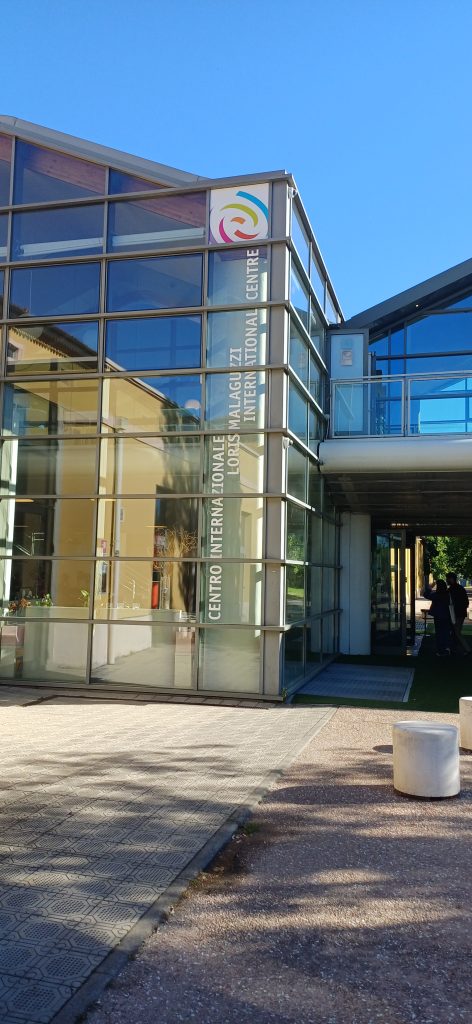
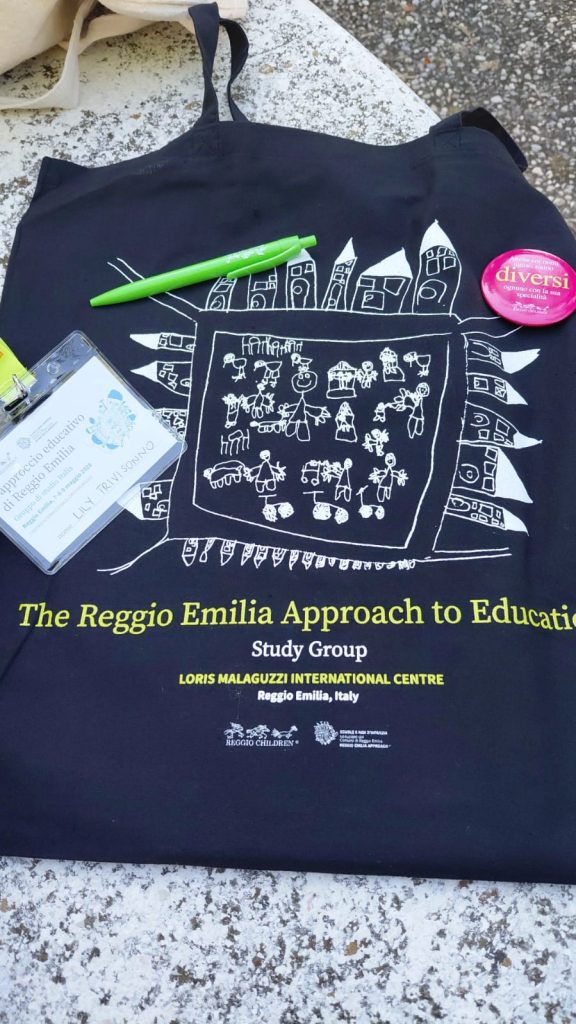
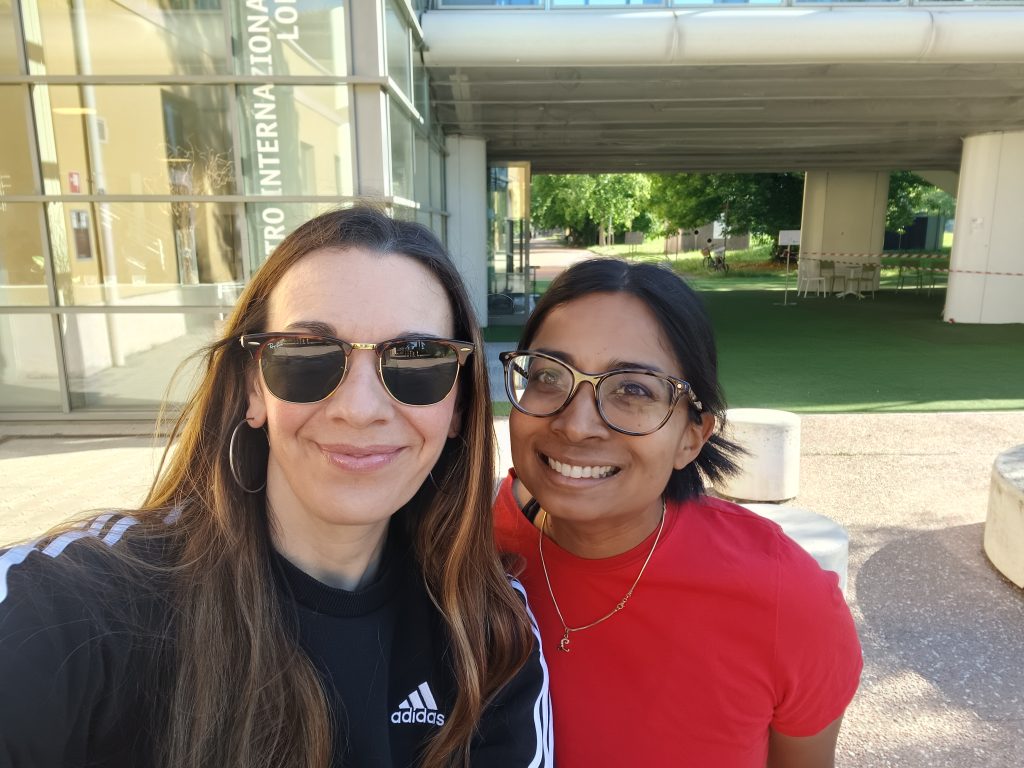
Following a recent professional development experience at the Loris Malaguzzi International Centre in Reggio Emilia attended by Ms Paola Montini and Ms Lily Trivisonno (teachers in our Early Years Unit), Ms Montini shared with us a personal reflection on the values and inspiration behind the internationally renowned Reggio Emilia Approach.
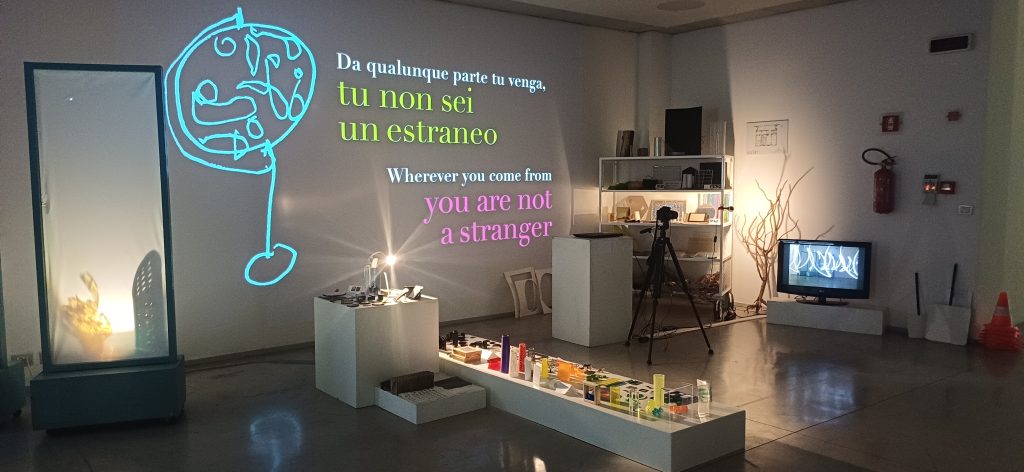
From the 7th to the 9th of May, Miss Lily and I, Miss Paola, had the privilege of taking part in a Study Group on the Reggio Emilia Approach at the Loris Malaguzzi International Centre in Reggio Emilia. It was a truly inspiring professional development opportunity, for which we feel deeply grateful.
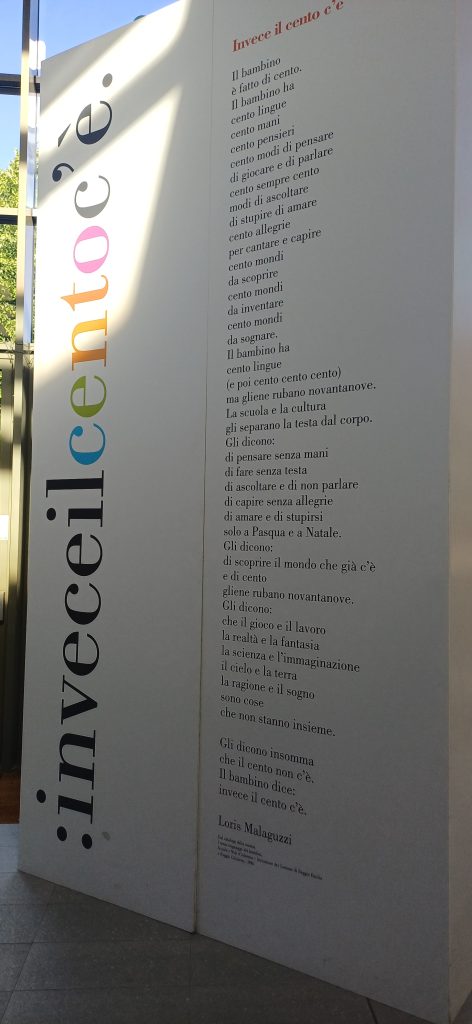
The Reggio Emilia Approach is not simply a teaching method, but a philosophy of education based on the image of the child as capable, curious, creative, and full of potential. Founded by the visionary educator Loris Malaguzzi after the Second World War, this approach values children’s “hundred languages” — the many ways they express, explore, think, and learn.
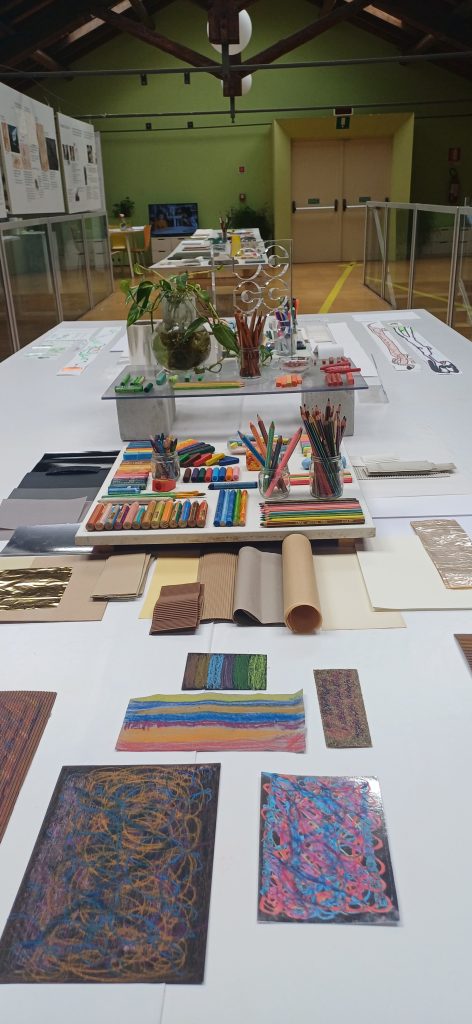
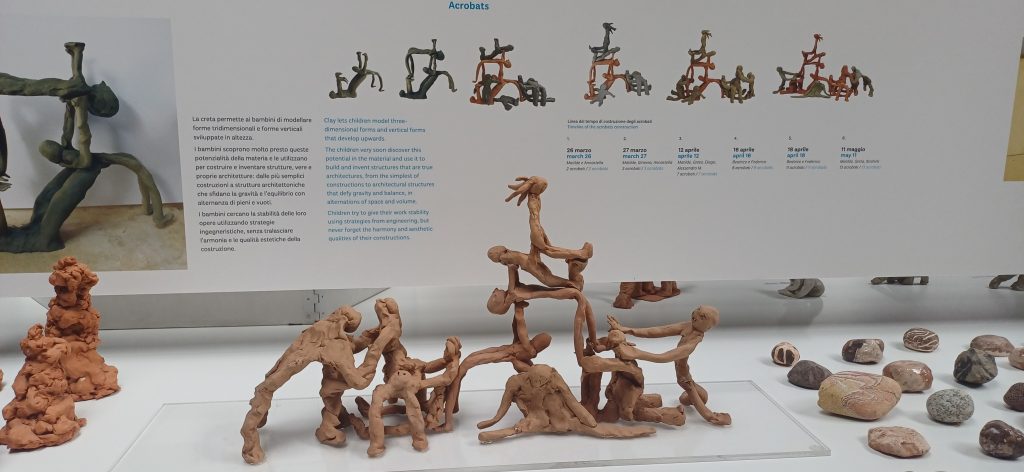
During the Study Group, we witnessed how children are placed genuinely at the centre of learning. Through relationships, collaboration, creativity, and hands-on experiences, children are encouraged to “think with their hands” and express themselves through many forms. The environment, the community, and the collaboration between teachers, pedagogistas, atelieristas, and families all play a fundamental role in supporting each child’s development.
What touched us most deeply was the strong sense of respect for childhood and the belief that children are born with rights, potential, and endless possibilities. It feels even more special to know that, in these very days, Catherine, Princess of Wales is visiting the Loris Malaguzzi International Centre and its schools, highlighting once again the worldwide recognition of this extraordinary educational philosophy.
We return from this experience enriched both professionally and personally, carrying with us a renewed inspiration for our role as teachers. As Malaguzzi beautifully said: “Invece il cento c’è” — “No way. The hundred is there.”